The armwrestling hook: inside entry, cup and a controlled finish
A detailed inside-pulling guide covering containment, rotation, connection, variations, common mistakes and responses to an outside attack.
Contents
What the hook controls
The hook is an inside-pulling family built around close containment. Cup supports the grip, controlled supination helps establish the inside lane, and pulling keeps the hand connected to the body. A curled wrist with a separated elbow and shoulder can look like a hook without functioning like one.
Inside pulling does not bypass the hand. If the fingers cannot contain the opponent or the wrist opens, elbow-flexion strength cannot transfer effectively through the grip.
Step 1: establish a workable grip
Keep the elbow on the pad with space for the intended movement, the free hand on the peg and the body close enough to avoid reaching. The referee determines the starting wrist position; a fully curled drill position is not a legal pre-start entitlement.
Agree whether the partner will resist outside or enter a hook. Low resistance makes grip and entry errors distinguishable; immediate maximal starts conceal that information.
Step 2: contain and enter without surrendering rotation
After Go, establish cup while preserving usable hand-to-body distance. Enough supination to enter is different from turning fully palm-up and accepting the entire load on the elbow flexors. Different hook entries use different amounts of rotation.
Pause a cooperative drill once the wrist is cupped. Check finger containment, knuckle position and whether the shoulder can follow without twisting away. Restore those connections before adding a lateral finish.
Step 3: develop closeness before the finish
Use controlled pulling to improve closeness and make the opponent's elbow angle less useful. The elbow can travel within the pad, but running out of pad is a real limit. Continuing to retreat afterward can produce a foul or disconnection.
Finish laterally with coordinated body movement. Do not turn the chest away while leaving the hand trapped behind. A hook-to-press transition requires an available shoulder position, not a desperate forward dive.
Deep, dragging and high hooks
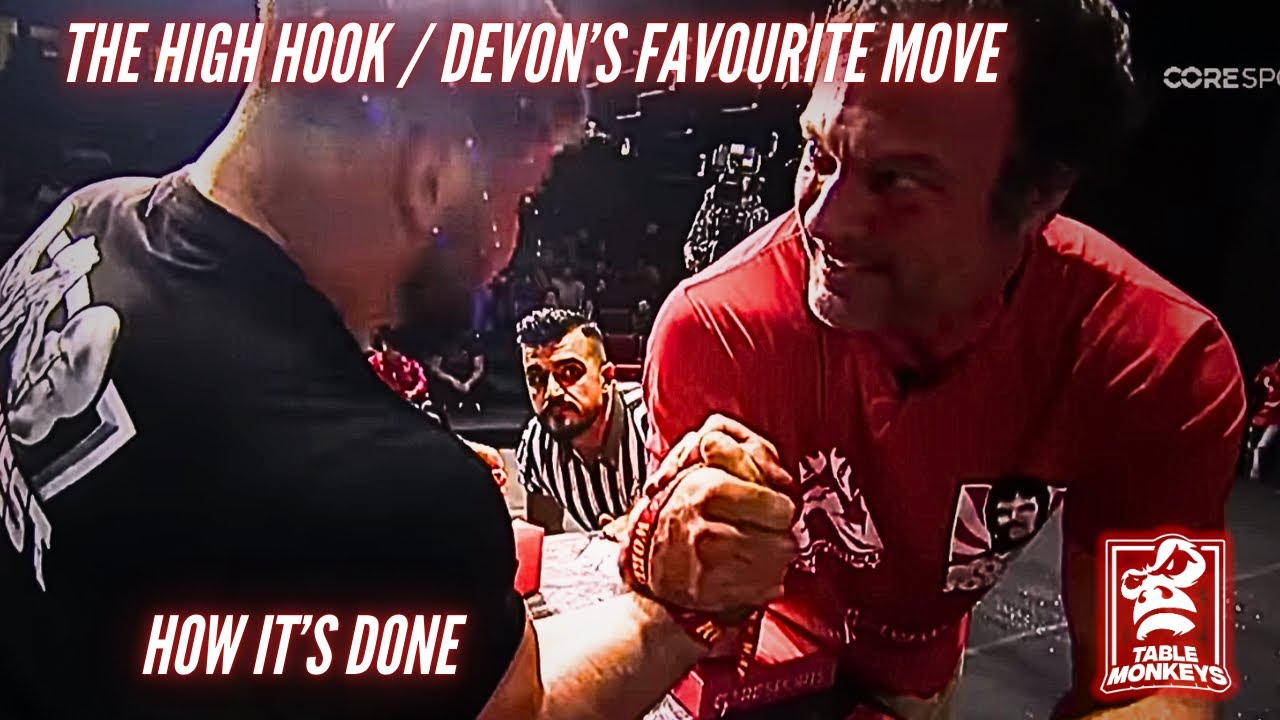
A deep hook emphasizes a more closed inside position; a dragging hook emphasizes pulling and pad travel; a high hook retains more hand height and rotational options. These are priorities rather than rigid, mutually exclusive shapes.
An athlete can enter high and then drag deeper. Describe the actual action—containment, elbow travel or shoulder transition—instead of attributing everything to a strong hook.
Errors and conditional counters
Common errors are side pressure before containment, excessive palm-up surrender and moving the body away from the hand. Against a toproll, diagnose finger and wrist failure rather than merely squeezing the biceps harder.
Pronation and back pressure may prevent the hook from forming. Once deeply contained, the same outside response may no longer work. Cooperative drills from different starting positions reveal the conditions behind a counter.
Drills and progress checks
Rehearse a slow entry, brief controlled hold and return to center. Separate maintaining cup against pronation from maintaining connection against pulling, then combine them before practicing a finish.
Wrist-flexion, finger-containment and elbow-flexion work can support the movement at appropriate loads. Progress is repeatable position control without pain or elbow fouls, and the ability to stop on command—not a universal kilogram target.
Video reference and viewing focus
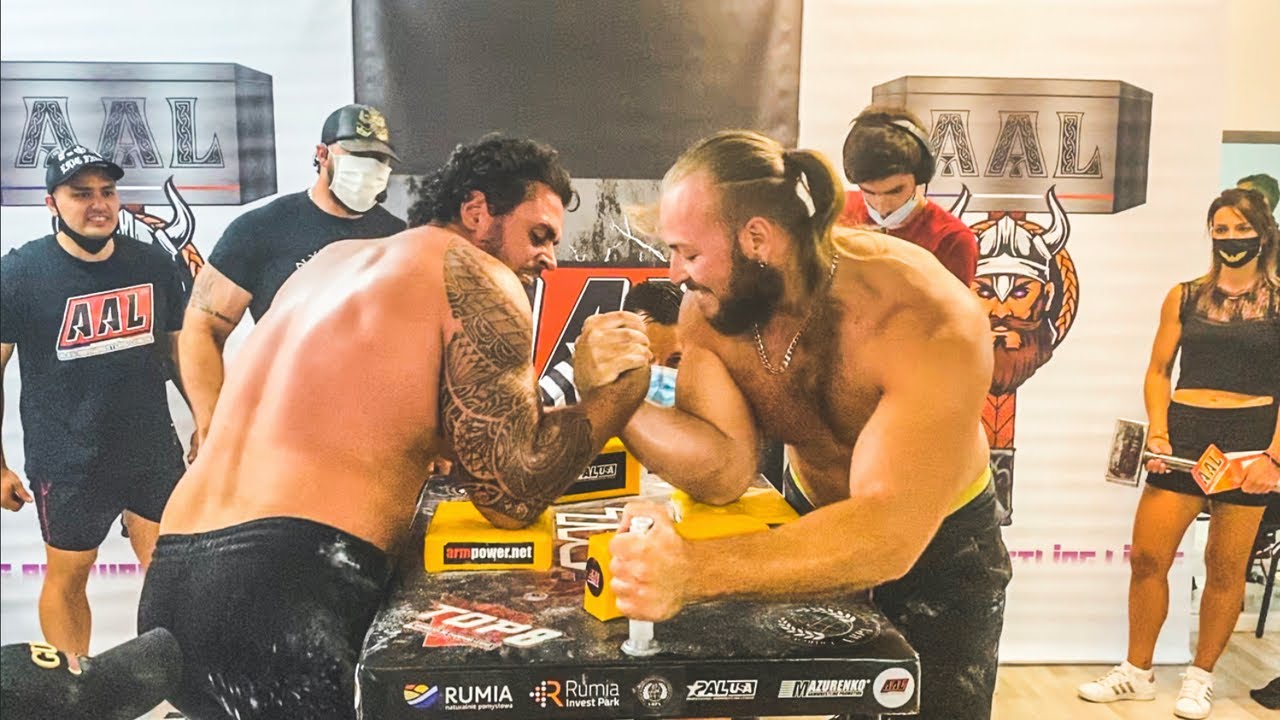
Watch the transition from grip to changing force direction. Pause to inspect the hand, then continue to understand the sequence; a still image cannot substitute for movement.
Continue the technique series
- An armwrestling technique map: hook, toproll, press and their variations
- High hook: retaining hand height in the inside game
- Toproll: hand control through pronation and pulling
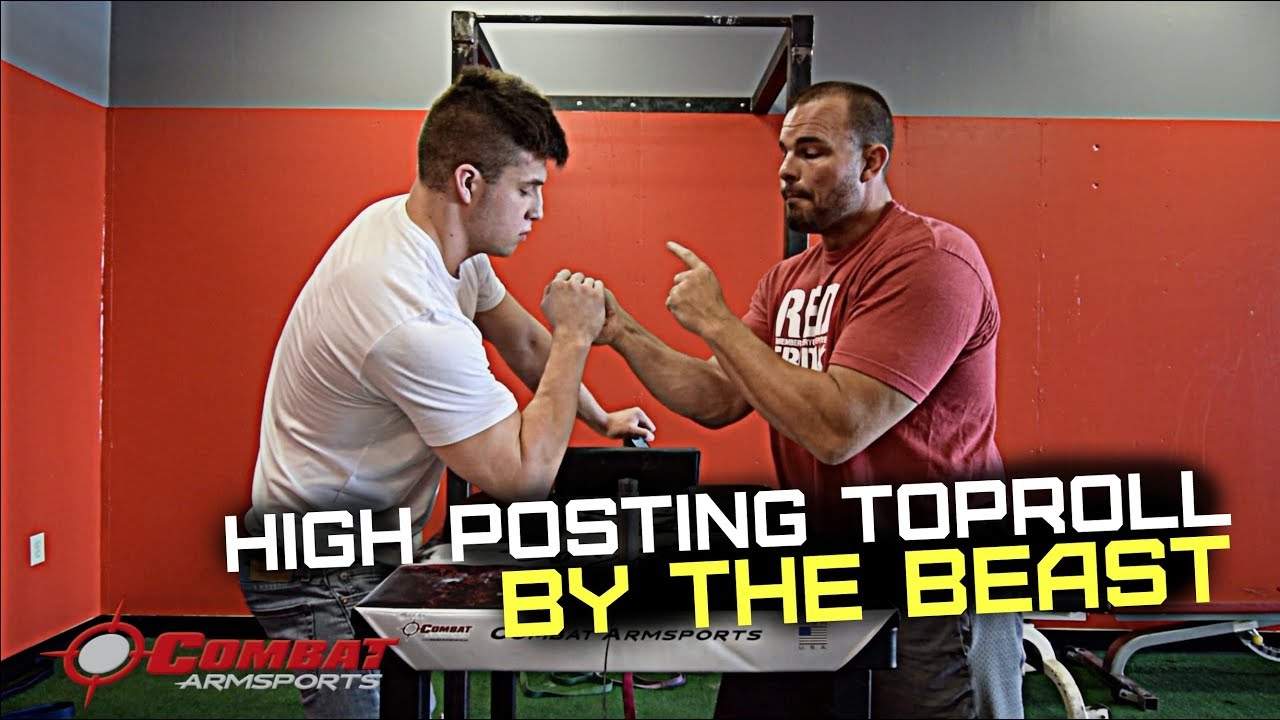
- Posting toproll: build a high post without losing the hand
- Low-hand toproll: redirect pressure without surrendering the hand
- King's Move: outside defense, rules and misconceptions
- The armwrestling press: enter with structure, not a shoulder dive
- Flop-wrist press: driving with an extended wrist and its trade-offs
Sources & further reading
- Voice of Armwrestling — Hook Technique
- Voice of Armwrestling — Toproll & Hook Explained
- Mazurenko Japan / GLINT — đường chuyển động hook
- Gegns Gym — Hook và các biến thể
- WAF Rules 2025 — mục 5.3, 8.1 và 8.3–8.5
- Ogawa và cộng sự, 2022 — tổng quan hệ thống gãy xương cánh tay khi vật tay
- Remi armwrestling — Technique du hook, CC BY-SA 4.0
- Giấy phép ảnh Wikimedia Commons: CC BY-SA 4.0
- Nguồn hình minh họa / Illustration source