King's Move: outside defense, rules and misconceptions
Understand active hand control, open-angle defense, straps and the distinct WAF and EVW restrictions. Includes counter principles and why this is not a beginner shortcut.
Contents
A low stance alone does not identify it
The King's Move is commonly described as open-angle outside defense, using pronation, pulling and hand control to make a pin difficult. Depth and elbow opening vary. Inspect active pressure through the grip, not simply the athlete's head height.
A supposed unbreakable bone lock is not a sound anatomical teaching model. Elbow extension range varies, and a video silhouette cannot reveal joint loading or prove that the position is safe.
Why the hand and pronation still matter
Retained rotation can deny the attacker a useful finishing wrist angle even as the match travels toward the pad. Losing pronation and grip connection can collapse the defense quickly; elbow opening alone is not a complete system.
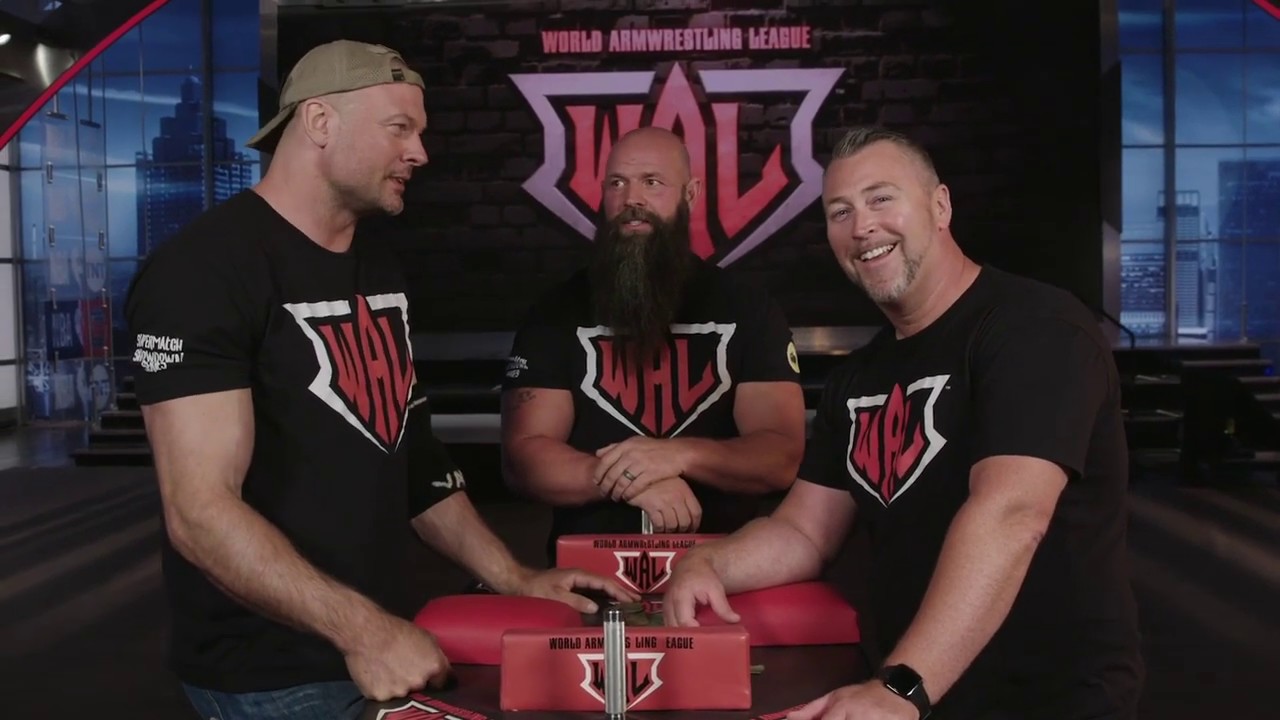
WAL's discussion with Devon Larratt, Michael Todd and Neil Pickup is a 2019 technical reference. Historical demonstrations are not automatic approval under present WAF or EVW rules.
Straps change connection, not anatomy
Straps preserve hand connection and can make certain outside force paths easier to maintain. They do not create an invulnerable wrist, remove elbow fouls or make an overloaded position safe.
Distinguish active rotational defense through the strap from continued retreat after the hand is already lost. Watch whether the athlete retains control and a legal transition route.
WAF 2025: the elbow-pad reference
WAF 2025 section 8.1.6 prohibits dropping the competing shoulder below elbow-pad level in a neutral or losing position. Do not replace that reference with tabletop height.
Section 8.1.5 separately addresses dangerous positioning. Legality therefore depends on the actual position and associated fouls, not whether a move is called a King's Move.
EVW: the declining-humerus provision
EVW section 4.5.8 addresses the competing humerus declining toward the shoulder on the neutral or losing side. Its wording differs from WAF's shoulder-height provision; they should not be merged into a universal rule.
EVW also specifies consequences for fouls in a losing position. Event-specific officiating matters, particularly near the pin, and cannot be replaced by footage from another promotion.
Counter the defense before forcing a finish
Recover hand control and useful position rather than simply pushing harder into the existing stop. Cup, height, pulling direction or a controlled press entry may be relevant, depending on the available grip and pad space.
Do not force through an extended elbow or surprise-surge a trapped partner. Reduce resistance and reset instead of trying to win the drill through an uncontrolled finish.
Who should study it, and how?
Beginners benefit from recognizing the technique and its rules without treating it as the default escape from every loss. Active pronation, pad management, shoulder awareness and an agreed stop must come first.
Study practical open-angle defense with an experienced coach at controllable resistance. Avoid joint-lock experiments, whole-body suspension or maximal end-range loading. Knowing when to abandon the position is part of understanding it.
Video reference and viewing focus
Watch the transition from grip to changing force direction. Pause to inspect the hand, then continue to understand the sequence; a still image cannot substitute for movement.
Continue the technique series
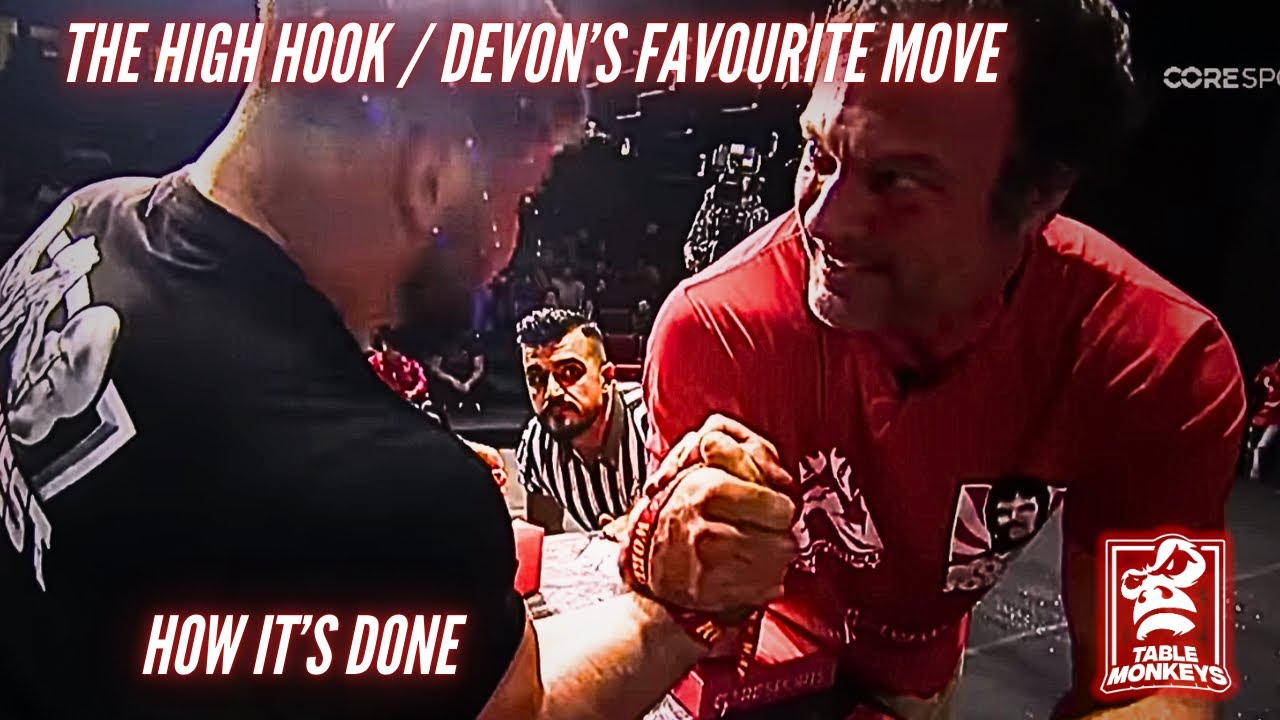
- An armwrestling technique map: hook, toproll, press and their variations
- The armwrestling hook: inside entry, cup and a controlled finish
- High hook: retaining hand height in the inside game
- Toproll: hand control through pronation and pulling
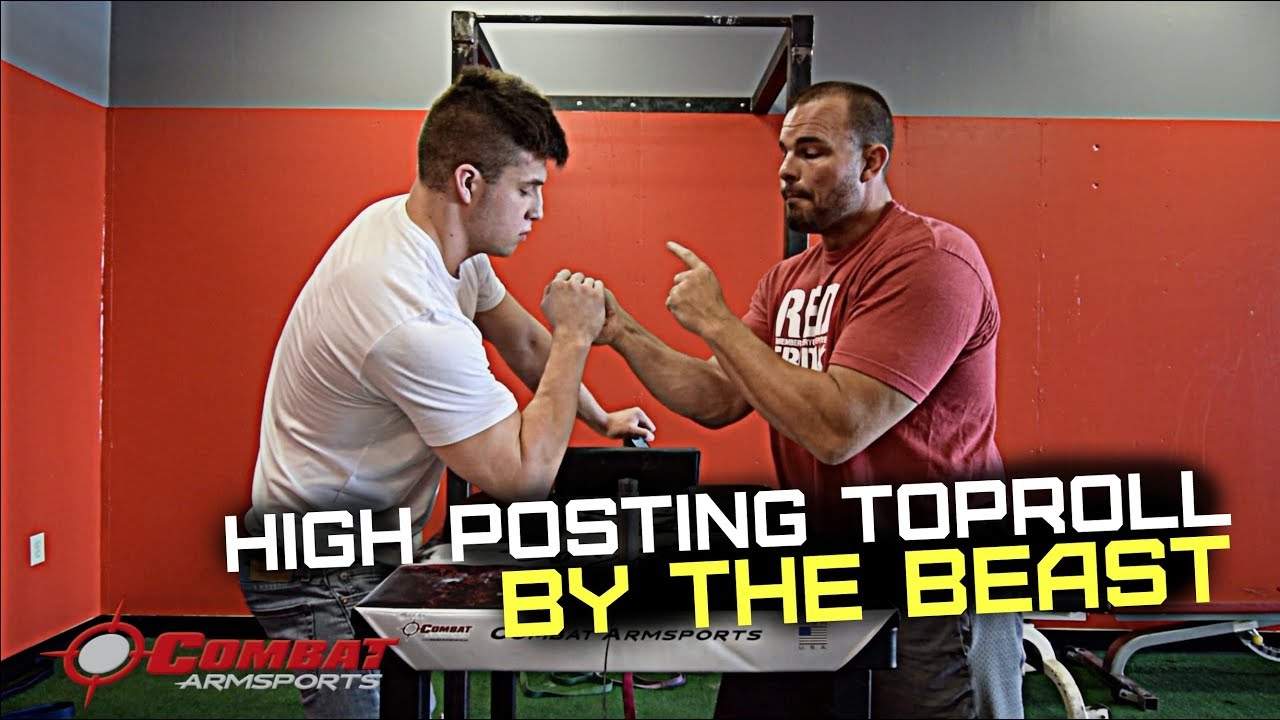
- Posting toproll: build a high post without losing the hand
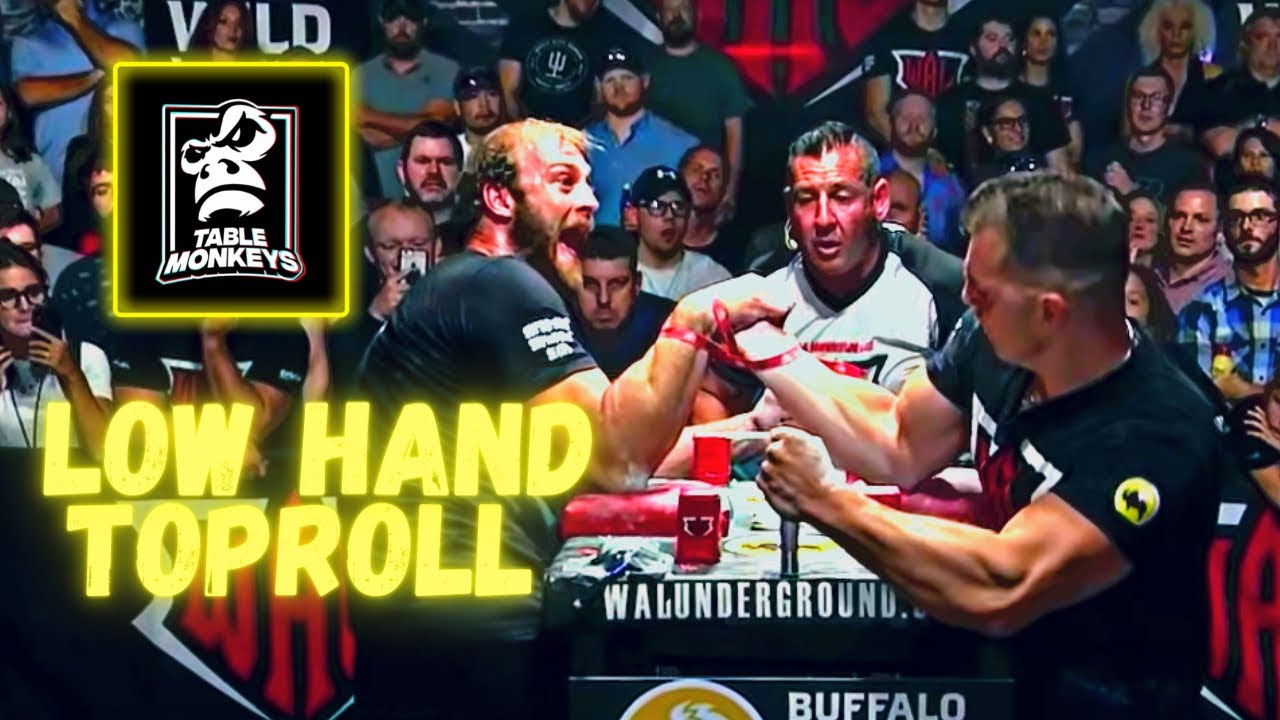
- Low-hand toproll: redirect pressure without surrendering the hand
- The armwrestling press: enter with structure, not a shoulder dive
- Flop-wrist press: driving with an extended wrist and its trade-offs
Sources & further reading
- World Armwrestling League — King's Move Decoded, tư liệu 2019
- WAF Rules 2025 — mục 5.3, 8.1 và 8.3–8.5
- EVW Sports — luật thi đấu hiện hành, mục 4.3–4.5
- Voice of Armwrestling — Janis Amolins Defensive Toproll
- TAWF — Hook, Toproll & Press
- Ogawa và cộng sự, 2022 — tổng quan hệ thống gãy xương cánh tay khi vật tay
- Nguồn hình minh họa / Illustration source
- Nguồn hình minh họa / Illustration source